Lake District Holocaust Project
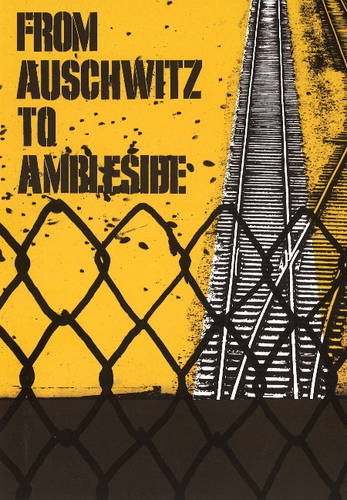
This tells the story of the Windermere Boys, three hundred child Holocaust Survivors closely connected to the Lake District in Cumbria, UK. They stayed on the ‘lost’ wartime village of Calgarth Estate in 1945, an estate that was located at Troutbeck Bridge near Windermere.

In the past 20 years this committed and dedicated group worked with tens of thousands of people, sharing their most harrowing and distressing experiences so that future generations can learn about the dangers of intolerance and the ease with which prejudice can lead to genocide.
HSFA works with many partner organisations to deliver learning resources, events, creative projects and other opportunities for people to find out about our survivors’ experiences, using that knowledge to promote understanding and tolerance.

The National Holocaust Centre and Museum promotes an understanding of the roots of discrimination and prejudice, and the development of ethical values, leading to a greater understanding within society. The Centre uses the history of genocide as a model of how society can break down, and emphasises how current and future generations must carefully examine and learn from these tragedies. The Centre promotes respect for human rights, equal opportunities and good citizenship, which has greater resonance than ever in our culturally diverse society.
The National Holocaust Centre provides a range of facilities for people of all backgrounds to explore the history and implications of the Holocaust. The vast majority of visitors will spend time in both the memorial garden and our two permanent exhibitions – The Holocaust Exhibition, suitable for secondary school children and adults and The Journey, a text free and tactile exhibition built with younger children in mind. Both exhibitions house artefacts from the period, and as an actively collecting museum, we are continuously developing and strengthening our collection. But what makes a visit particularly unique is meeting a survivor of the Holocaust and listening to their story. We are privileged to host survivors on a daily basis all of whom share their experiences with visitors and answer questions from young and old alike.
The Holocaust Exhibition tells the story of the Nazi persecution of the Jews and other groups before and during the Second World War. The origins and implementation of the ‘Final Solution’ are laid bare, with photographs, documents, artefacts, posters and film offering stark evidence of how persecution turned to mass extermination.
(Not recommended for children under the age of 14)

We are committed to engaging communities with our unique collections. Our mission is to provide the opportunity for people of all ages, abilities and backgrounds to learn about the history of the Holocaust and genocide in a supportive environment.
Throughout the year offer a range of skills workshops, guided tours, evening events and more for our community audience.